
Interview with Present Nature’s Jonny Woolnough regarding their opening debut and what’s next (2026).
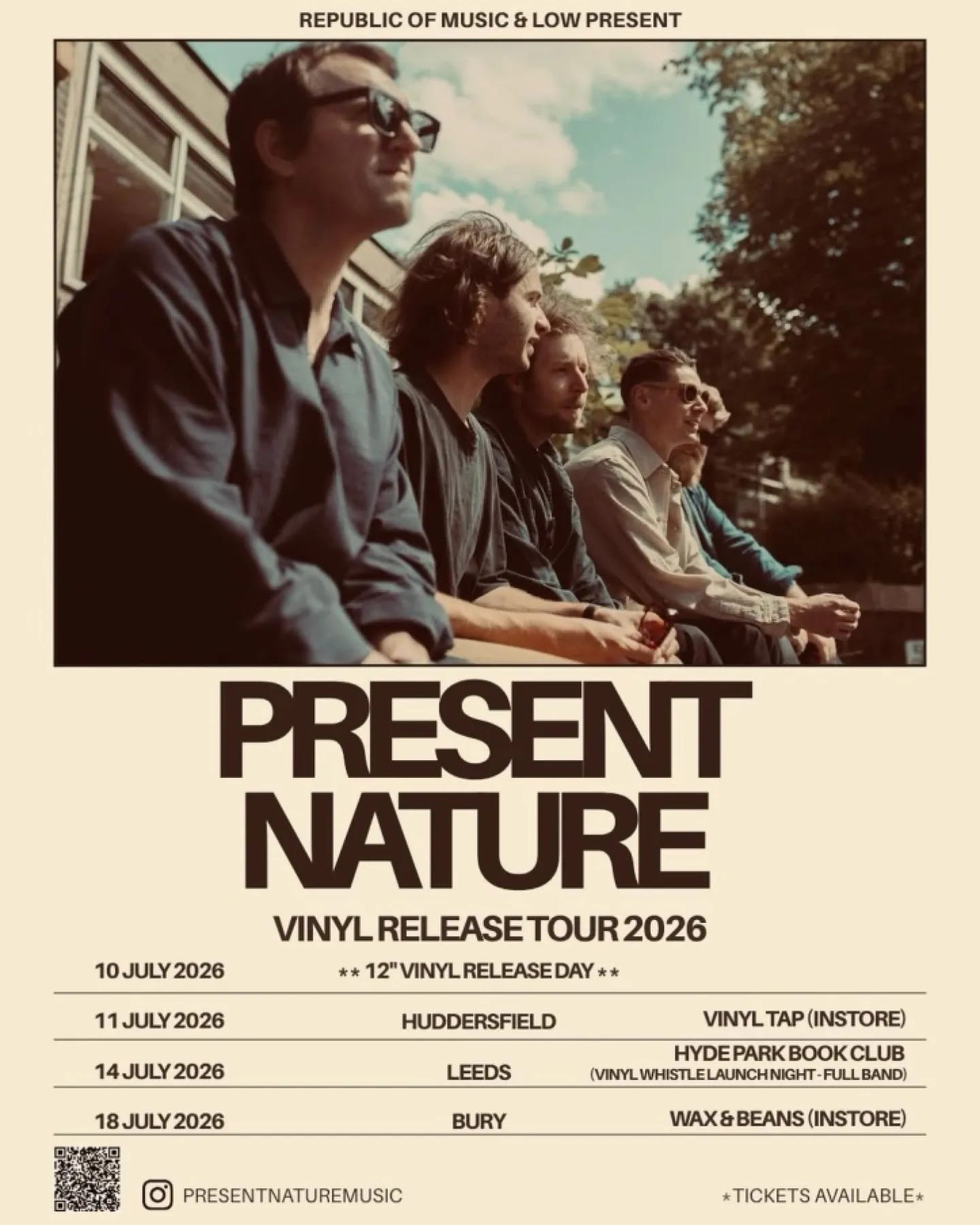
The physical debut of Present Nature is July 10, 2026, but you can stream it from here: https://linktr.ee/presentnature

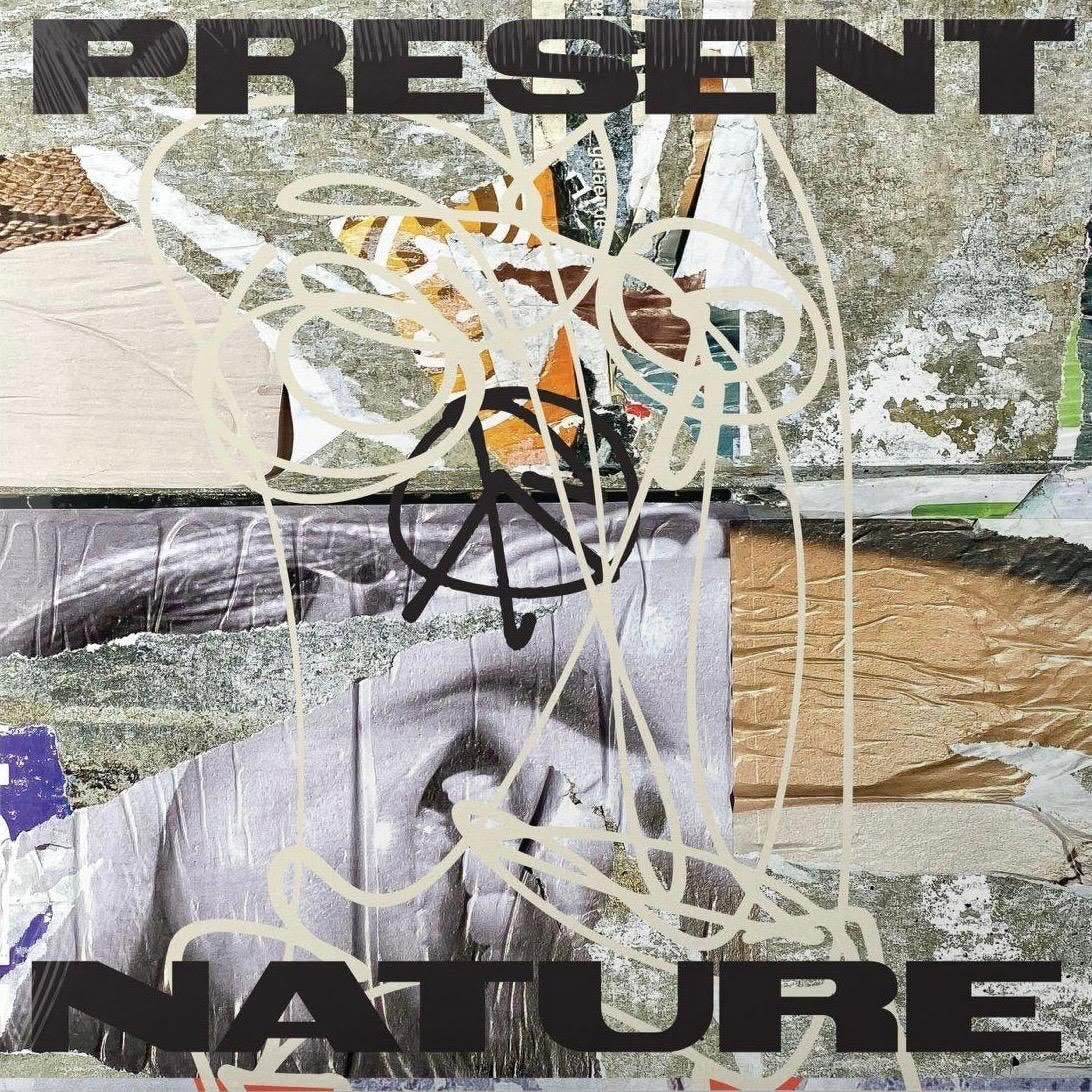
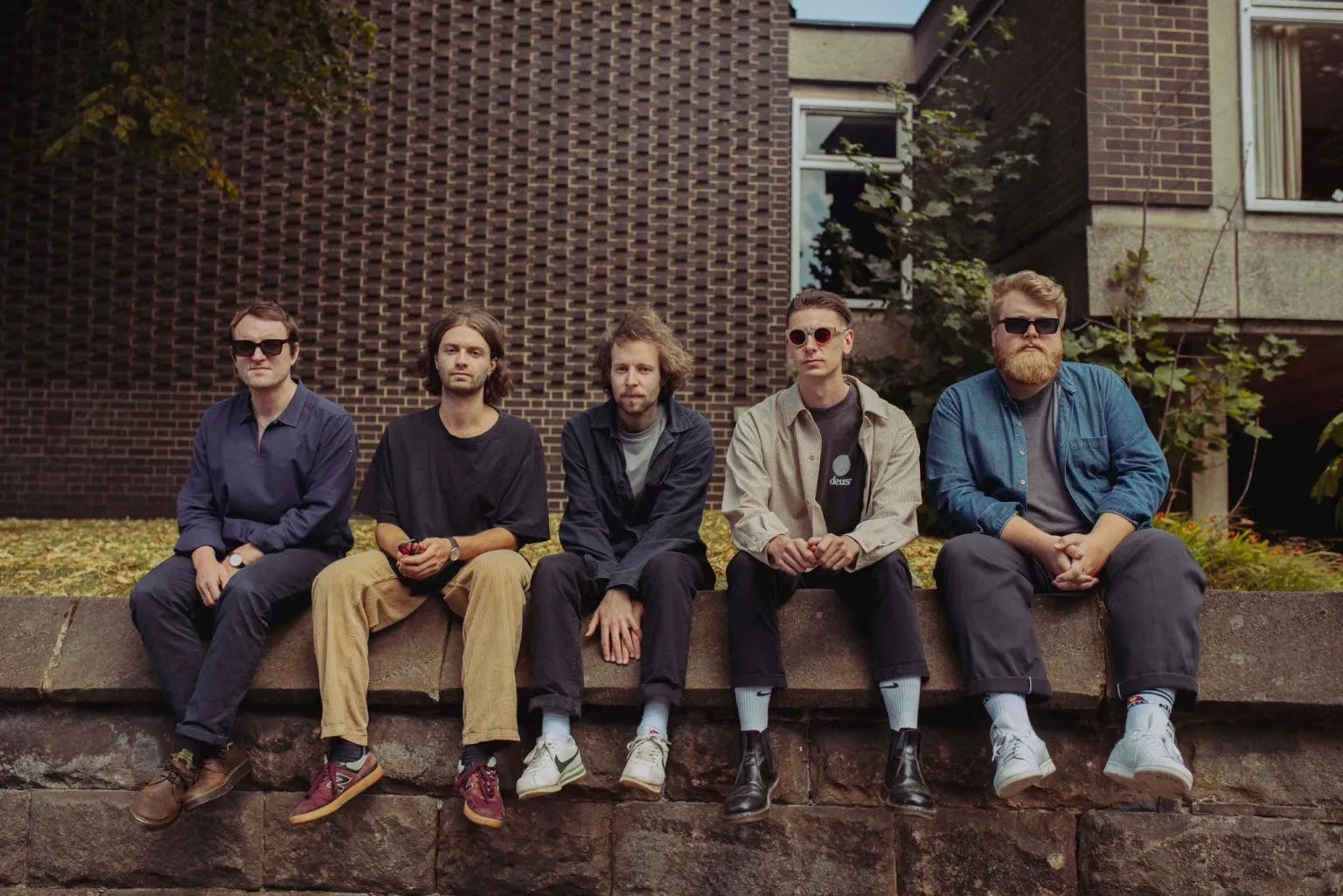
In the wake of their self-titled debut, released via streaming services on March 20, 2026, band leader Jonny Woolnough, from Leeds-based band Present Nature, sat down to talk about collaboration, restraint, and the quiet art of letting songs breathe.
Chris: The album feels incredibly cohesive for a debut. Did you approach it with a clear vision, or did that unity emerge naturally over time? How would you describe your band’s musical style to someone who has never heard you before?
Jonny: Thank you. Any unity developed over the course of its making. It’s that thing where if you try to perfect something in theory before ever trying it, it’s impossible. You’d never start. It’s only through blindly attempting something that it starts to make sense and then guides you to its destination. It’s a trust in process; it’s something you develop over the years. It can be an expensive risk in a studio, but it’s the risk we took, and it paid off. Once it’s almost there, you start to see its full picture emerge, and you can then tweak parts of it to fit its identity. The words “Present Nature” only came halfway through.
In terms of musical style, I’m not sure. I’ll take anything. I’ve thought a lot about it as I’m constantly having to offer genres for Spotify playlists and things like that. I find it difficult, which I like.
There were two posters in our house growing up on my dad’s wall. One was Miles Davis, and the other Marvin Gaye. My bedroom was full of Eazy E and Dr. Dre posters. I never felt part of any one sub-genre growing up, like Mod, House, Skater, or whatever. I liked the good parts of it. I think I still do that with my music, just pick from everywhere and anything.
Chris: There’s a noticeable sense of restraint across the record. Nothing feels rushed or overworked. Was that a conscious decision?
Jonny: I’m not a fan of overproduction. I like a drum to sound like a drum. But really, we have Bill (Ryder-Jones) to thank for that. He steered the recording process. All things passed through his filter. If he didn’t like something, he’d let you know. All parts were considered, and he was hard on my lyrics, too!
Pushing me always to be better. I liked that. I respect Bill as a writer so much that I’m not sure I’d have listened to another producer in the same way.
Restraint also stems from making a choice in tracking. We were well-rehearsed going in as a band, so we’d only need two, maybe three, takes max of the song in the studio. Bill would usually always pick take two. By take three, we were probably overplaying, overhitting. We trusted him.
Chris: Many of the tracks build gradually rather than hitting immediately. Do you worry about that in a streaming-first world?
Jonny: Yes and no. I must accept that to honour any artistic vision, there’s a sacrifice. But that’s ok, you can only be yourself. Eventually, people will gravitate towards that. It may just take a little longer than something instantaneously disposable.
Chris: “Picaresque” sets the tone beautifully, intimate but expansive. Did you always see it as the opener?
Jonny: Yes! It’s set in Ruzafa, Valencia.
My last solo record was called Mayurqa, which is Arabic for Mallorca, where I’d been living for a couple of years. To me, it’s like a dream sequence, moving events from Spain back to Welburn Avenue, the street I grew up on in Leeds. I live back in Leeds now.
The album is very much rooted there.
Chris: There’s a strong emotional undercurrent throughout—melancholic, but not heavy. How do you strike that balance?
Jonny: I don’t know, really. It’s not intentional. I think music is the truth, so maybe that’s my makeup. I think I’m generally quite an upbeat person, though. Overly optimistic even.
Chris: Well, good! “Bluebird” feels like one of the more open, almost uplifting moments on the record. Did it stand out during recording?
Jonny: Not initially, in fact, I was a little embarrassed bringing it in at first. I thought Bill might not like it or wonder what I was thinking. I don’t know why, listening back now, I love it.
I wrote it right at the end of recording, as I felt the record needed a song like that to hinge around. There are a couple of chords in there that harmonically elevate an otherwise very simple arrangement. I have a lovely memory of lying on the couch in Yawn listening to Bill write the strings for that song.
Chris: There are hints of older influences—’60s pop, a bit of psychedelia—but nothing feels overly nostalgic. How do you approach influence without imitation? And who would you say are your main influences?
Jonny: I think harmony changes like fashions. Certain chords and melodies from the ’60s can sound retro and Brill Building to a modern ear. As would the Great American songbook have sounded chintzy to the teenage ’60s kids, I suppose. So arranged in a specific way, certain chord voicings and musical phrasings have their moment, the 1980’s or whatever. It’s something I’m always aware of when writing and trying to circumnavigate. I think that period between around ’68-’72 was “peak mountain”.
Musicians were headed somewhere, flag in hand, searching for the top. With Trout Mask Replica, Bitches Brew, What’s Goin ‘On, James Brown, Stevie Wonder, Caravanserai, Weather Report, and all that, the top was sort of reached in contemporary music terms. So, I’d always have that period as a marker stone, but I don’t like looking back, especially musically. I think things are gradually becoming more minimalist, harmonically.
I kind of like that, because if you can produce a strong melody, which is rare, then for me, the less intrusion, the better. If you listen to Satie, or Gershwin, or Tchaikovsky, or Bill Evans, their music transcends time. It’s not retro or present. It could be from the future. I think that’s what anyone strives for, really.
Chris: The closing track, “These Are The Ways I Pray,” introduces a slightly different texture. Was that intentional as a way to end the album?
Jonny: As with “Picaresque” starting the album, “These Are The Ways I Pray” was always intended as the final track. We took aspects of other album closers and incorporated them. The drum pattern, for example, is from The Beatles’ Tomorrow Never Knows. I wanted a song that threaded all aspects of the album together, distilled. Bills soaring strings took it up an extra five notches. It’s probably my favorite work. Certainly, my best collaboration with Bill.
Chris: The album is remarkably consistent in tone (I can have it on repeat and not notice!). Was there ever a temptation to push for bigger contrasts or more dramatic moments?
Jonny: It’s a live band playing throughout. With no changes to the lineup except for Bill playing some lead guitar. So, it’s a reflection of Present Nature’s sound, really. I wasn’t feeling very shouty or rocky during the sessions, so there are no real screamers in there. I quite like that, though. I think that’s age, possibly.
Also, Bill’s work was influencing mine. He has a similar consistency to his work. It’s quite a hard-fought accomplishment, really.
Chris: Finally—now that the album is out in the world, how does it feel to let go of it?
Jonny: A relief! We just want to keep releasing more music.
Chris: Thanks, Jonny, it’s been great chatting with you, and all I can say is to please urge any readers to please buy Present Nature when it physically drops on July 10, 2026, however you can!
https://www.piccadillyrecords.com/167830/Present-Nature-Present-Nature-Tri-Tone
Present Nature (the album!) is a debut that feels less like a beginning and more like a quiet arrival. It draws from classic indie-pop and baroque influences but filters them through a distinctly modern, emotionally literate lens. The result is a record that doesn’t demand attention—but earns it, gradually and deeply.
Chris Garrod, June 20, 2026